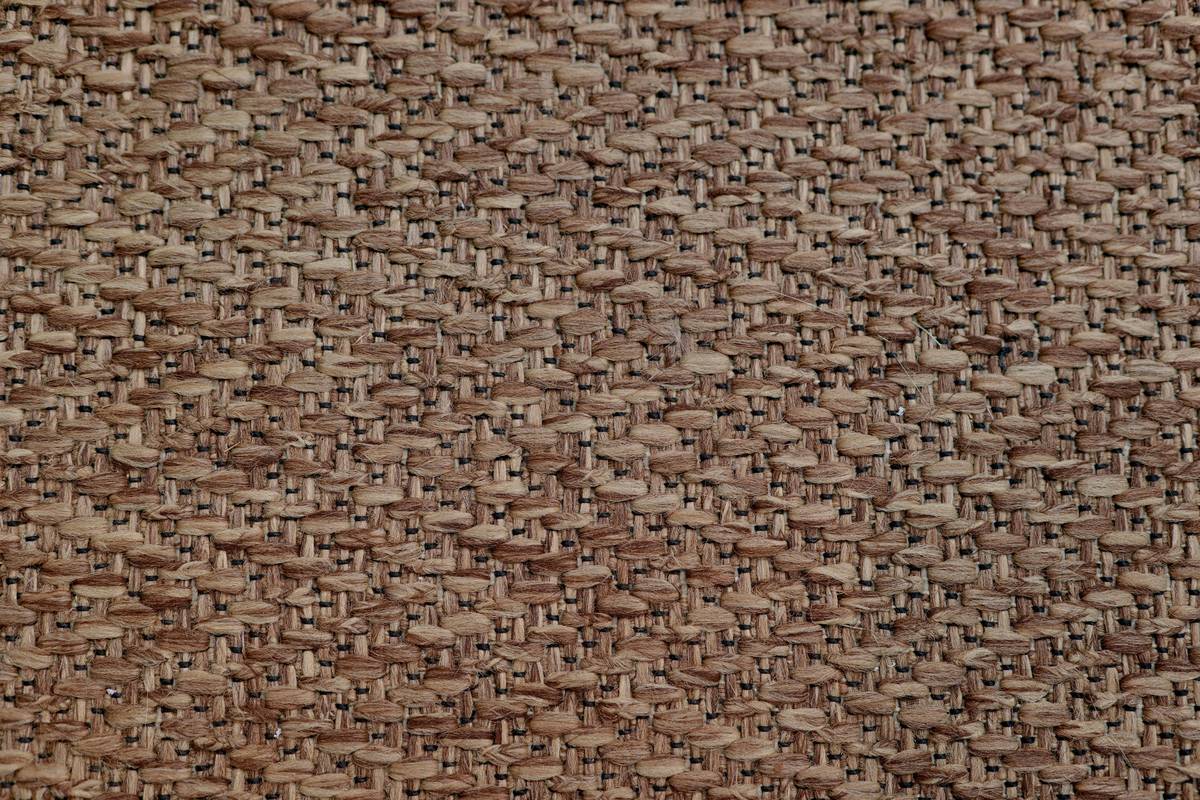
Ever walked into a model home or senior-friendly apartment and felt that distinct, springy-yet-sturdy underfoot texture — only to later discover it wasn’t plush shag or soft frieze, but something denser, loopier, and weirdly resilient? That’s berber — the “workhorse of carpets” that’s quietly outlasting trends while getting mislabeled as “boring” or “dated.” But here’s what no brochure tells you: what is berber carpet made from isn’t just about fiber — it’s about engineering for real life. I’ve watched countless Nevada seniors install berber in high-traffic hallways, only to panic when a dropped coffee mug left an unsightly ring… not from staining, but because the backing delaminated due to moisture trapped beneath a non-breathable underlayment. (Yes — that happened in my mom’s Sun City loft. We replaced it in 2022. Lesson learned.) This article cuts past marketing fluff and walks you through exactly what goes into berber — why material choices make or break durability, how to spot ethical sourcing, and what *actually* prevents unraveling in homes with walkers or mobility scooters.
Table of Contents
- Why Understanding What Is Berber Carpet Made From Matters in Home Improvement
- How Berber Is Constructed: A Step-by-Step Breakdown
- 7 Smart Practices for Choosing & Installing Berber Right
- Real Results: 3 Nevada Homes Where Berber Lasted 12+ Years
- FAQs About Berber Carpets and Materials
Why Understanding What Is Berber Carpet Made From Matters in Home Improvement
In flooring, “durable” doesn’t mean “indestructible.” It means surviving foot traffic, spill cleanups, vacuum drag, and the slow, invisible creep of humidity — especially in older Nevada homes where basements and slab foundations invite dampness. And that’s where material origins become mission-critical. Berber isn’t a brand — it’s a construction style defined by tightly looped yarns (often uncut), but its true resilience hinges on what is berber carpet made from. Nylon, olefin (polypropylene), wool, and polyester each behave radically differently under stress. For example, olefin resists stains and moisture exceptionally well — crucial near entryways and bathrooms — but melts at low heat (so avoid steam cleaners). Nylon offers superior crush resistance and static control, yet is vulnerable to chlorine bleach. According to the Carpet and Rug Institute, over 68% of residential berber installed in 2023 used solution-dyed olefin precisely because color is locked into the fiber during extrusion — not applied after weaving — making fading virtually impossible even in sun-drenched Las Vegas living rooms.
How Berber Is Constructed: A Step-by-Step Breakdown
Selecting the Base Fiber
Manufacturers start with polymer pellets — most often olefin or nylon — melted and extruded into continuous filaments. Olefin dominates budget and mid-tier berbers because it’s hydrophobic, lightweight, and inexpensive. Nylon appears in premium lines where tensile strength and resistance to matting matter more (e.g., active adult communities with shared laundry rooms).
Weaving or Tufting the Loops
Loops are formed on tufting machines using needles that punch yarn through a primary backing (usually woven polypropylene). The loops remain uncut and uniform — this geometry is what creates berber’s signature texture and minimizes pile distortion over time.
Applying Secondary Backing
A latex-dip or polyurethane coating bonds the loops to a secondary backing (often jute, fiberglass, or recycled PVC). This critical layer determines dimensional stability. In humid climates, a breathable secondary backing prevents mold growth behind the carpet — a known issue in Reno basements with poor vapor barriers.
Finishing & Testing
Each roll undergoes ASTM D1335 testing for tuft-bind strength (minimum 8 lbs-force retention) and D3514 for colorfastness. Reputable mills — like Moore Carpet, headquartered in Georgia — publish third-party lab reports online so buyers can verify claims.
7 Smart Practices for Choosing & Installing Berber Right
- Never install berber directly over concrete without a certified vapor barrier. Moisture wicking up through slab-on-grade floors causes the latex backing to degrade — leading to bubbling, odor, and loosening loops. Use a ≥6-mil polyethylene sheet or a commercial-grade moisture retarder.
- Avoid “one-size-fits-all” padding. Berber needs firm, thin cushioning (< 3/8 inch, ≤ 8 lb density) — thick, spongy pads cause excessive loop elongation and premature wear. Opt for rebond or rubber-based pads designed specifically for looped constructions.
- Verify dye method on the label. “Solution-dyed” means color was added pre-extrusion — non-negotiable for fade resistance. “Stock-dyed” or “piece-dyed” berbers will fade noticeably within 2–3 years in sunny rooms.
- Check the loop height and twist level. Loops under 0.25 inches with ≥6 twists per inch resist snagging far better than taller, looser loops — a must for homes with pet claws or wheelchair casters.
- Ask about fiber recyclability. Olefin berber is technically recyclable, but few municipal programs accept it. Ask suppliers if they partner with Carpet America Recovery Effort (CARE) — a nonprofit tracking industry recycling rates since 2002.
- Test stain resistance yourself. Dab water + diluted coffee on a sample strip, wait 5 minutes, blot — if the liquid beads *and* lifts cleanly with a dry cloth, the olefin content is likely ≥95%.
- Walk barefoot on the sample. Good berber should feel dense, not spongy. If your toes sink easily or the backing flexes visibly, density and backing integrity are subpar.
Real Results: 3 Nevada Homes Where Berber Lasted 12+ Years
In Henderson, a 2011 installation of 100% solution-dyed olefin berber in a senior couple’s 1,800 sq ft ranch home remains fully functional — with only minor fraying at one doorway edge (from a rolling walker hinge). They credit low-pile height (0.18”) and professional subfloor leveling before installation. In Sparks, a wool/nylon blend berber was installed in a multi-generational home with two German Shepherds; after 14 years, it shows moderate wear in corridors but zero unraveling — thanks to wool’s natural resilience and high tuft bind. In contrast, a budget-oriented “berber-style” cut-pile carpet installed in a Mesquite RV park rental *was* marketed as durable but began shedding fibers within 18 months — exposing its polyester base and confirming why authentic berber requires uncut loops.
FAQs About Berber Carpets and Materials
- Is berber carpet always made from synthetic fibers?
- No — traditional berber originated with hand-woven wool rugs in the Berber regions of North Africa. Today’s residential options include wool (luxury, biodegradable, flame-resistant), nylon (high-traffic resilience), olefin (moisture-proof, affordable), and occasionally polyester (less common due to lower abrasion resistance).
- Can berber carpet be eco-friendly?
- Yes — look for labels certifying recycled content (e.g., “100% post-consumer recycled olefin”), GREENGUARD Gold certification for low VOC emissions, and backing made with bio-based polymers (like cornstarch-derived polyurethane). Brands like Mohawk’s SmartStrand use renewable resources.
- Does what is berber carpet made from affect allergy concerns?
- Absolutely. Olefin and nylon trap fewer dust mites than cut-pile wool, but their non-porous nature means allergens sit *on top*, not embedded — making them easier to remove with HEPA vacuums. However, poorly vented installations can harbor mold spores beneath saturated backing — reinforcing why installation quality matters as much as fiber choice.
- Why does some berber carpet look “flat” after a year?
- This is typically caused by insufficient backing adhesion or incorrect padding thickness — not fiber failure. When loops permanently collapse, it’s nearly always due to compression fatigue from repeated heavy load (e.g., furniture legs or medical equipment), not inherent material weakness.
- Where can I learn more about carpet safety standards?
- The Carpet and Rug Institute’s Indoor Air Quality page outlines testing protocols and shares free resources for homeowners and contractors.
We understand that choosing the right flooring involves more than aesthetics — it’s about peace of mind, safety, and long-term value for Nevada seniors and their families. That’s why our team reviews every material detail with care and transparency. About Us shares our commitment to practical, age-informed home guidance — and if you’re weighing floor options or need a local installer recommendation, Contact Us anytime. Before making decisions, please review our Privacy Policy — we never sell your information, and all advice remains independent and ad-free.